In most Canadian school boards, the Grade 3 Gifted Testing Canada Sample window is a “one-shot” opportunity. If your child is brilliant in class but gets tripped up by strange shapes and timed puzzles, they might miss out on the enrichment they deserve.
The Canadian Cognitive Abilities Test CCAT Grade 3 isn’t a math test or a spelling bee—it’s a reasoning marathon. At Complete Test Preparation Inc., we’ve moved away from corporate “drill-and-kill” methods. Instead, we offer a CCAT Grade 3 Practice Test PDF and CCAT Level 9 Online Practice Canada that feels like a teacher is sitting right there with them, explaining the “why” behind the patterns. We help your child walk into that classroom with the confidence to pass the first time, so they can get into the enriched programming they need.
| Start Your Grade 3 CCAT Preparation |
|---|
|
Access the CCAT Grade 3 Online Course
Prefer a printable version? Download the Practice Workbook PDF |
Why “Smart” Kids Sometimes Struggle with the Nelson Education Assessment Canada
It’s a common story at the kitchen table: A child who devours books and nails every spelling bee suddenly feels “stumped” by the CCAT Grade 3. As a parent, it’s frustrating. You know they’re bright, so why does this test make them feel otherwise?
The answer is simple, but “Big Prep” rarely explains it: The CCAT isn’t testing what your child learned in school; it’s testing how their brain works when it encounters something brand new.
It’s Reasoning, Not Curriculum
Most school tests are about curriculum. If you study the multiplication table, you pass the math quiz. But the Nelson Education Assessment Canada is built on reasoning.
In School: 5 + 5 = 10. (Memory and Application)
On the CCAT: “If a circle turns into a square, what does a triangle turn into?” (Abstract Logic)
When a “school-smart” student sees a Non-Verbal Battery Classification question, they often try to apply classroom rules to a puzzle that doesn’t have any. They look for a “math answer” where there is only a “pattern answer.”
The “Aha!” Moment
We’ve spent years in the classroom watching kids realize that the CCAT is actually a series of games. Our CCAT Grade 3 Practice Test PDF doesn’t just give them more “homework”—it teaches them the “logic of the puzzle.”
Once a student realizes that Verbal Analogies for Canadian Students are just word-relationships and not a vocabulary test, the anxiety disappears. They stop looking for the “right” word and start looking for the “right” bridge between ideas.
Brian’s Bottom Line: Don’t let a “reasoning” test discourage a “curriculum” star. They have the gears; we just help them shift into the right gear for test day.
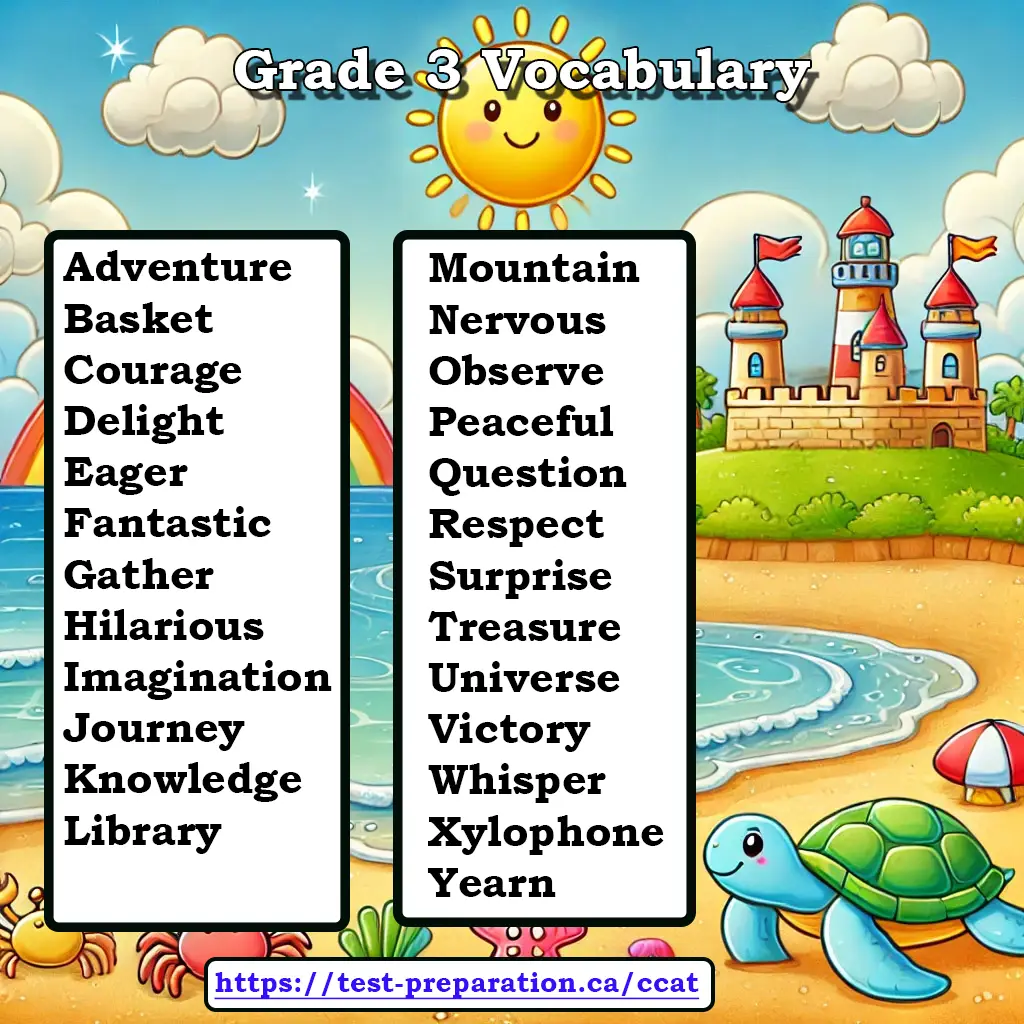
Can your Grade 3 student know this vocabulary?
Here are 4 quick samples to try at the kitchen table right now

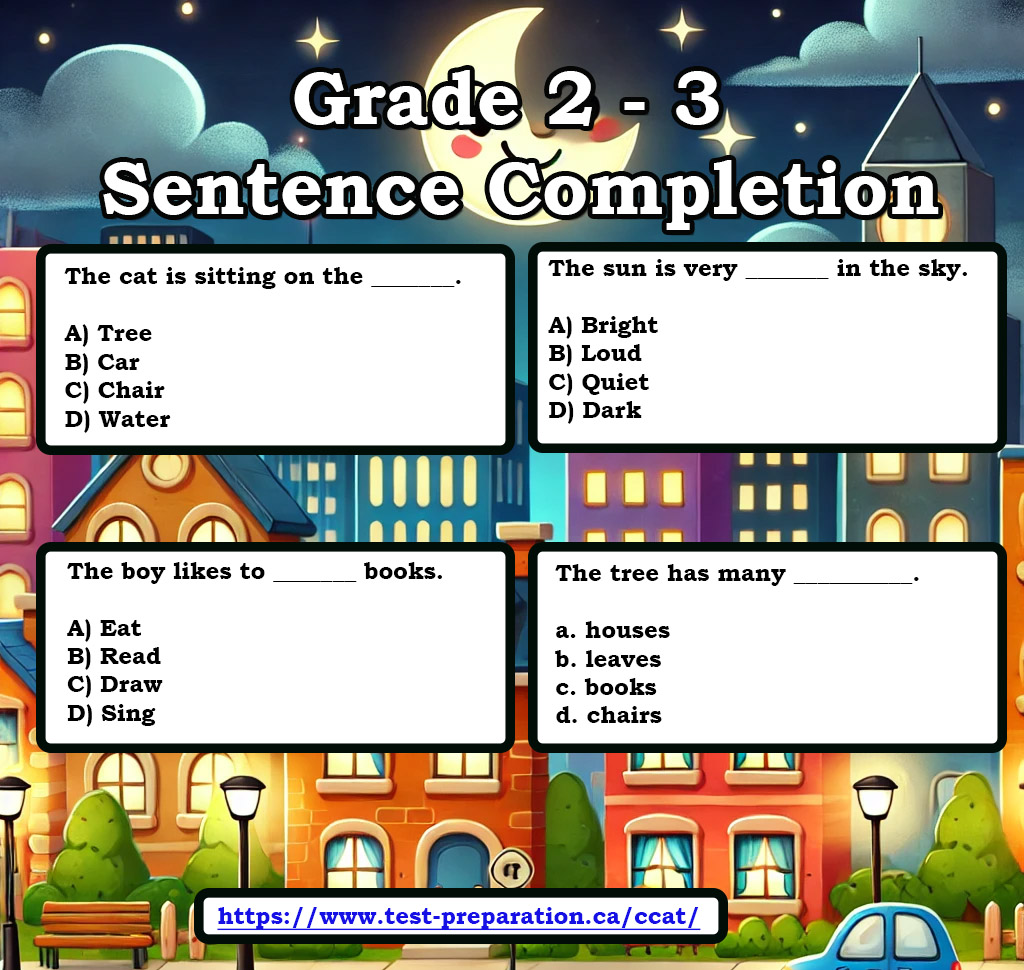
CCAT Sentence Completion Practice – Grades 2 & 3
CCAT Grade 3 Test
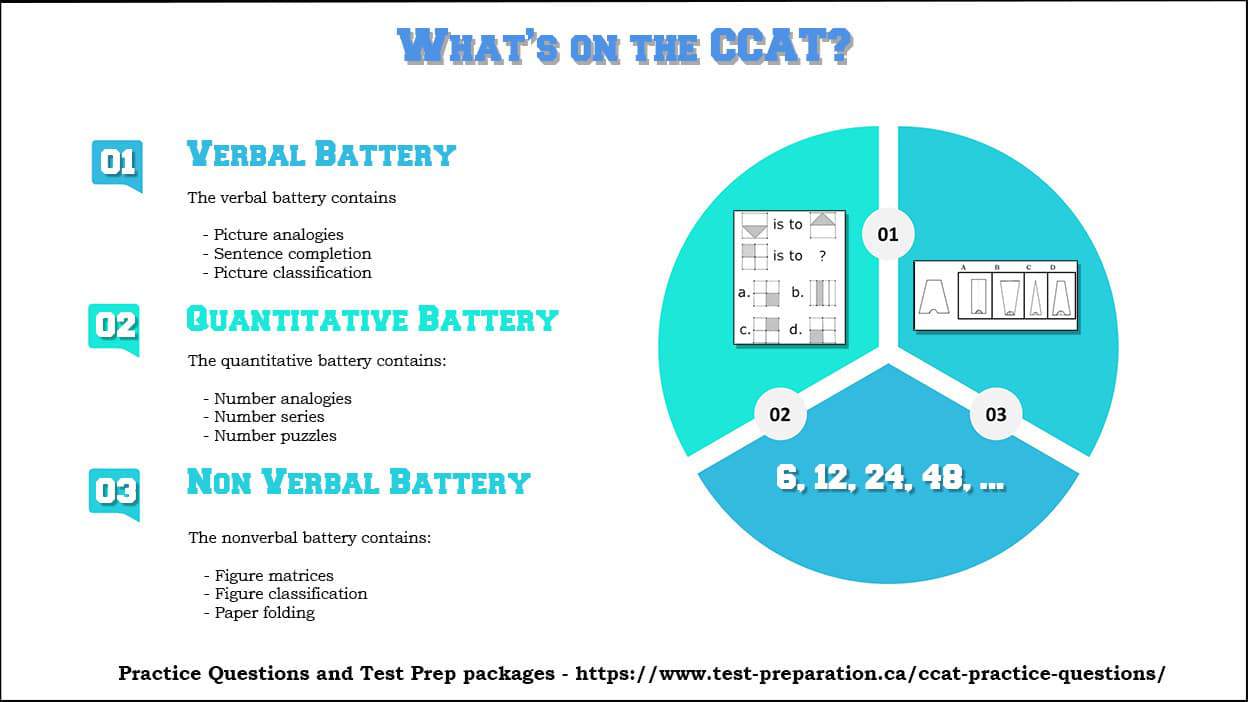
Students in wish to join their school’s gifted and talented program in 3rd grade will need to successfully take the CCAT 3rd grade test. This test is also called the CCAT Level 9 as it is taken by children who are 9 years old. This test measures a child’s abilities in quantitative, verbal, and nonverbal tests. The test is based on general knowledge therefore does not include what they do in school. The test is structured to assess the child’s ability to pick new concepts and ideas.
Questions are not read out to candidates rather; they will have to read printed instructions by themselves. At this level, test-takers are expected to have significantly built their verbal skills therefore the verbal section will have equal importance as the other sections. This is a difficult test, but with proper preparation your child has a much better chance of passing the test.
CCAT Grade 3 Test Contents and Practice
Grade 3 CCAT Practice – Verbal Battery
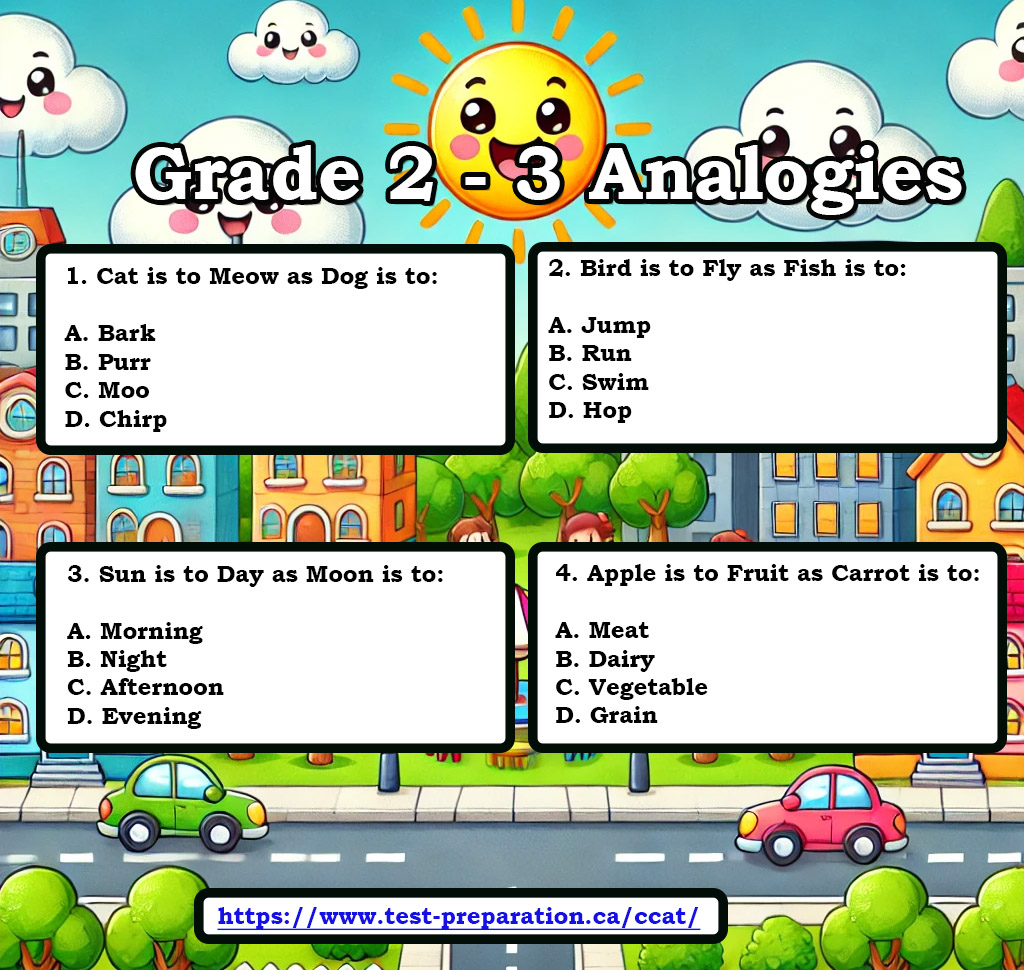
Verbal Analogies

Verbal Analogies practice – Grades 2 and 3
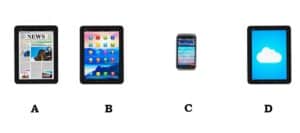
Picture Analogies
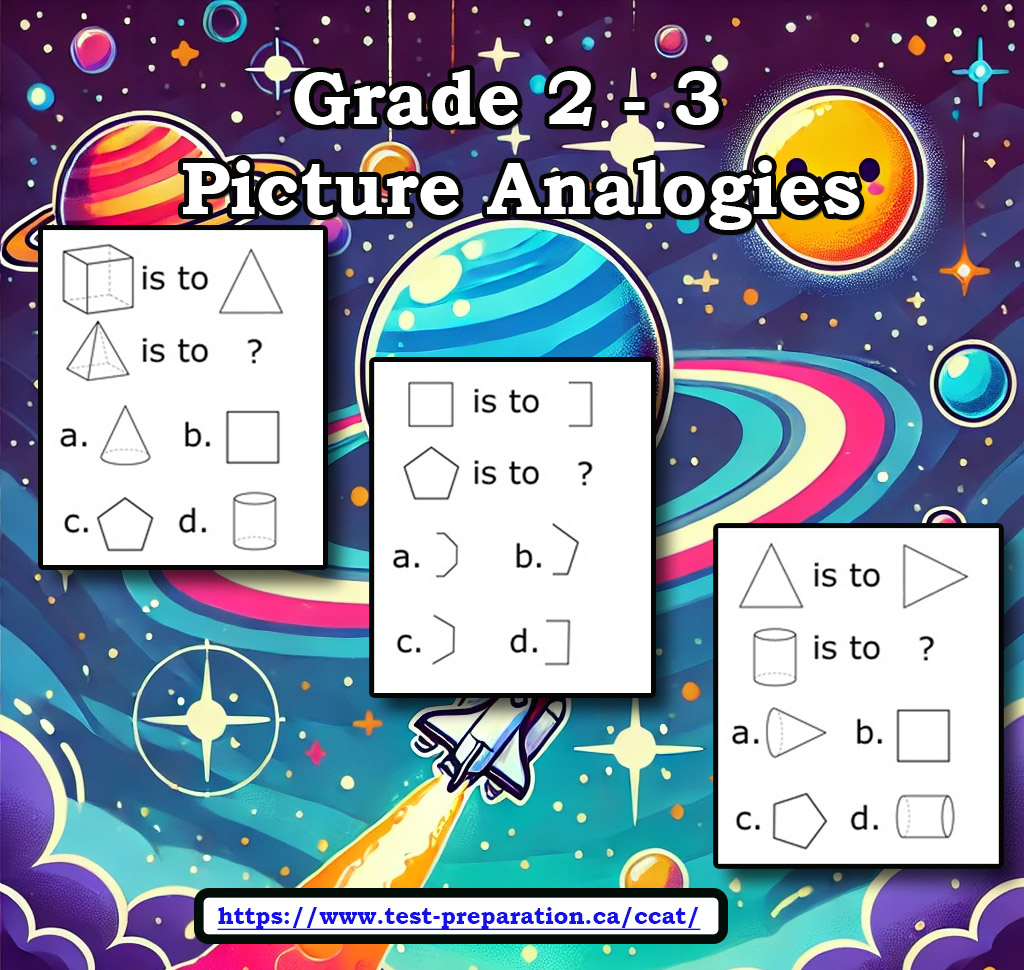
In this subsection, candidates will be presented with three pictures, with the first two carrying a particular relationship. The same relationship will be reflected on the third image. Candidates must determine the relationship, and apply it to the third picture, and select the matching image.
Folding
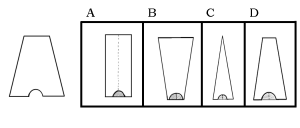
1. When the two longest sides touch what will the shape be?
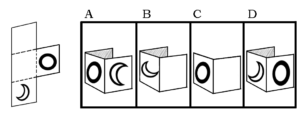
2. When folded, what pattern is possible?
3. When folded into a loop, what will the strip of paper look like?
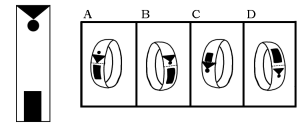
Answer Key
1. D
There is some confusion about this question. Viewed from the side it will still have a flat top (Choice D). If the longest side came to a point, then when the 2 sides touch, it would be a cone (Choice C).
2. A
3. C
Classification
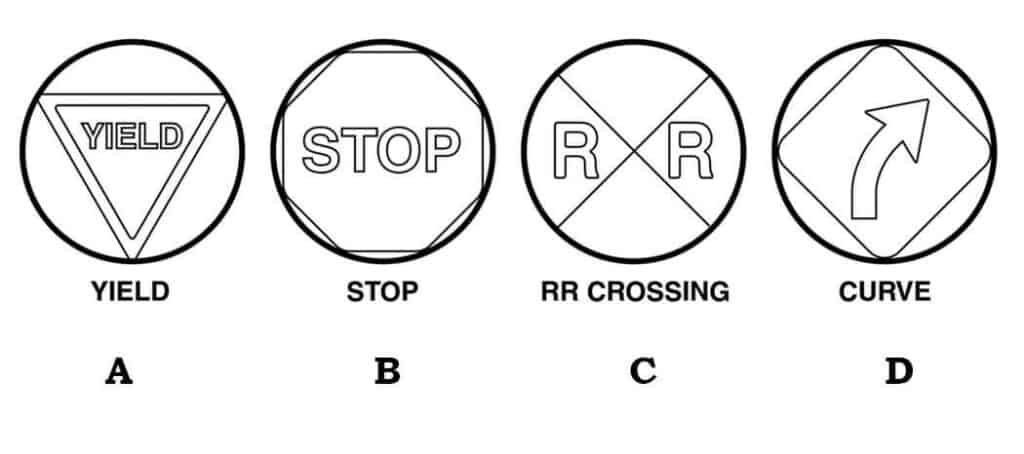
Directions: In each of the following questions, select the choice that does not belong with the other three.
1.
2.
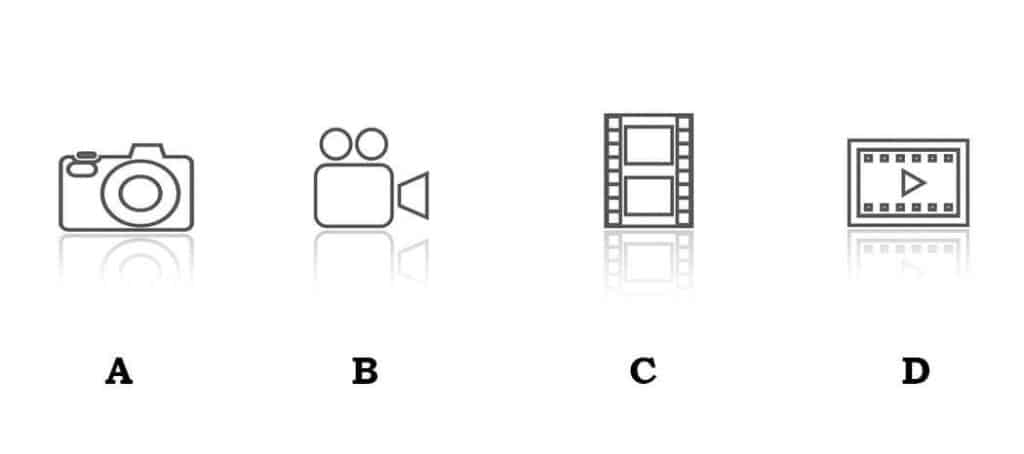
3.
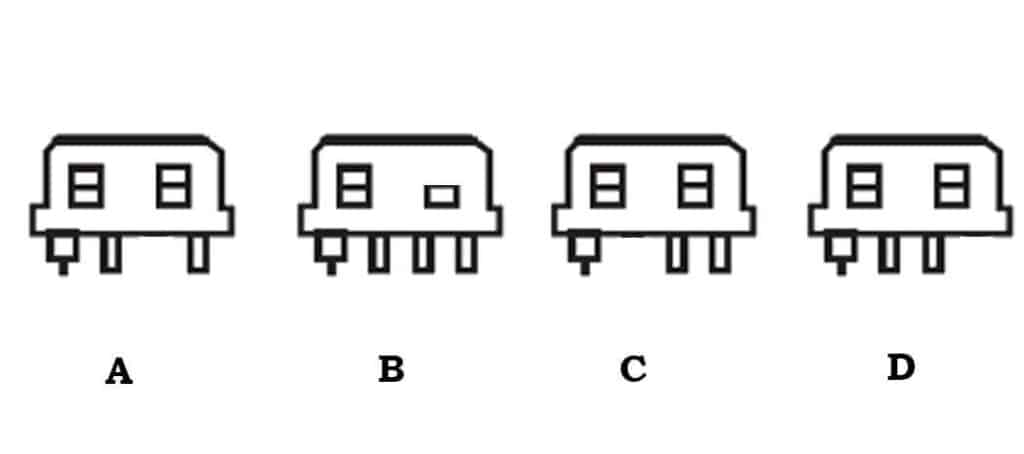
Answer Key
1. C
All signs are directional road signs except choice C
2. A
All figures are film or movie related except choice A.
3. B
Choice B has 3 prongs and a half rectangle in the upper portion.
Nonverbal Battery
Figure Matrices
Test-takers are given a box containing cells divided into two rows. The initial two cells have matching shapes. The second row of paired cells will have one shape belonging to one of the answers. The candidate has to determine how the initial shapes go together and apply that relationship to solve the problem.
Figure Classification
Test-takers will see three images following a predetermined rule. The candidate will have to determine the rule and select a fourth shape from the multiple choices following the rule.
Quantitative Battery
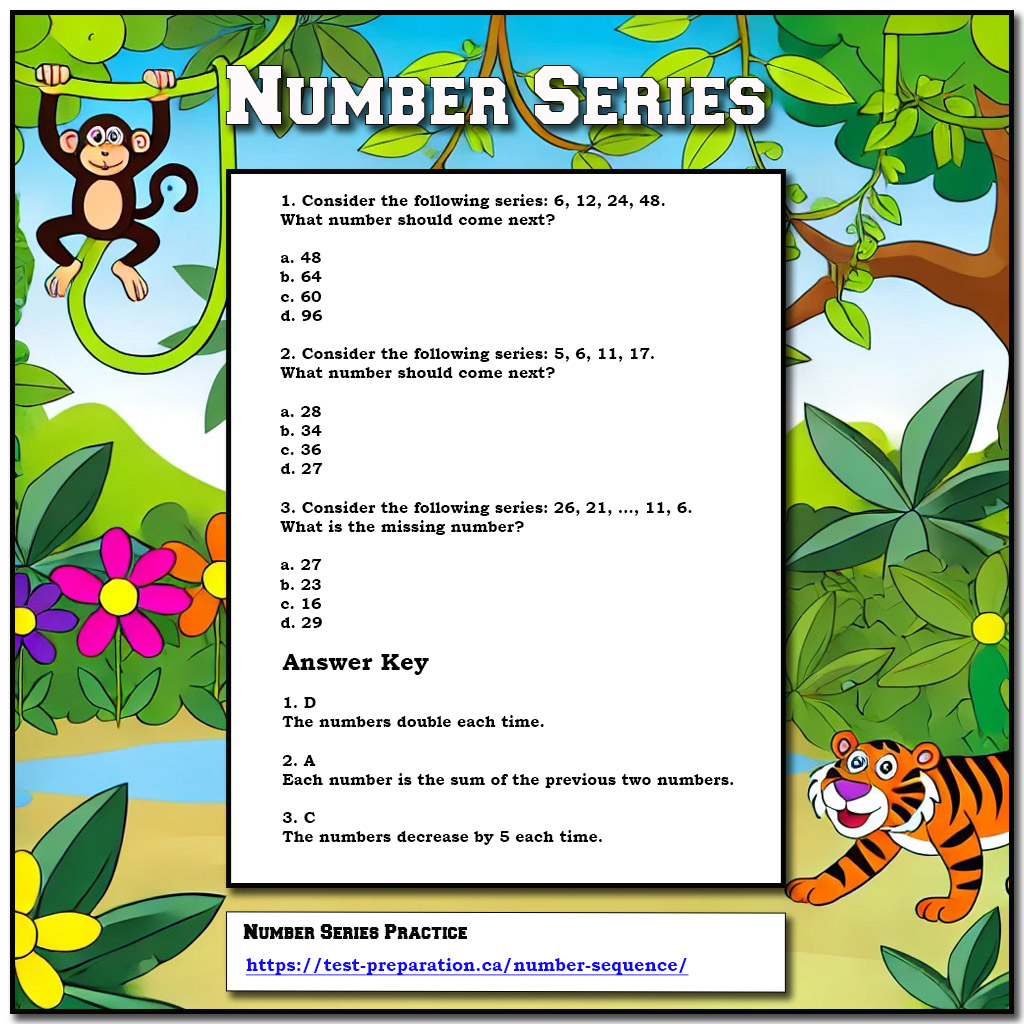
Number series
Number series
The number series section of the Quantitative Battery of the CCAT test assesses students’ ability to recognize number patterns and sequences. These questions are given a series of numbers and are required to determine which of the choices complete the series based on the pattern.
This section is designed to measure numerical reasoning and problem-solving skills, which are crucial for understanding and working with numbers.
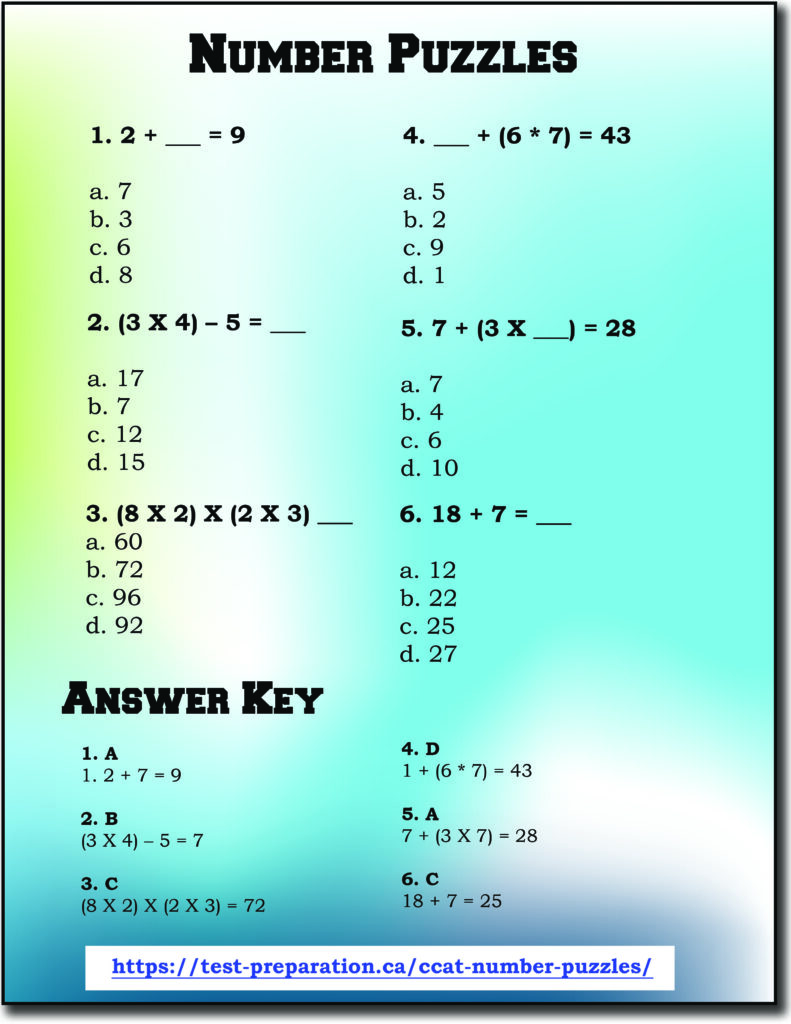
Number Puzzles
The number puzzle questions give an equation with digits on either side of an equal sign, and one of the number missing. The task is then to select the correct number from the options to make the equation true
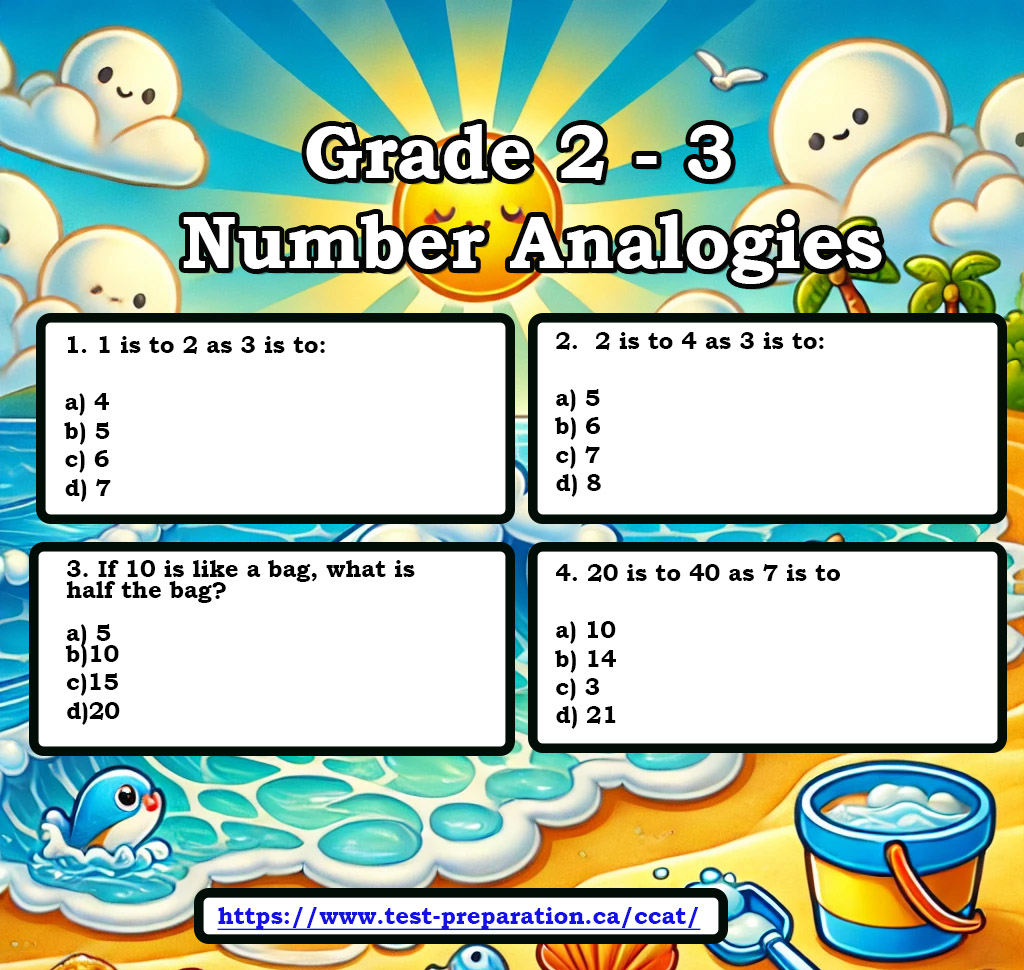
Number Analogies
The CCAT Quantitative Battery – Number Analogies section assesses your ability to understand numerical relationships and patterns. This section tests your quantitative reasoning skills, which are crucial for solving problems that involve numbers and mathematical concepts.
Example Questions
Updated: Tuesday, March 17th, 2026
Published: Tuesday, April 12th, 2022